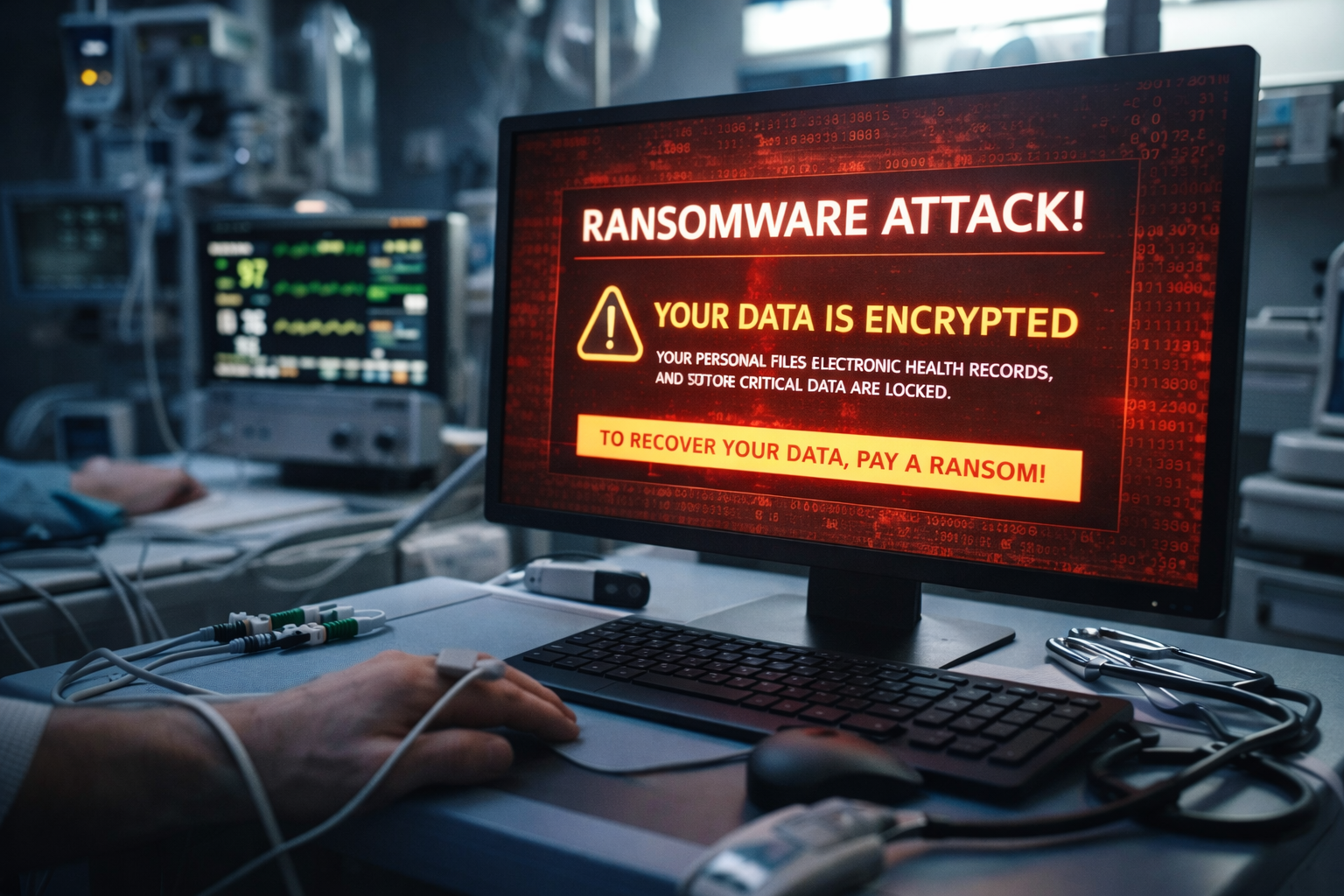
January 2026 saw a sharp escalation in cybersecurity incidents targeting the healthcare sector, with electronic health record (EHR) vendors and hospital networks experiencing a wave of breaches and ransomware attacks. Security researchers, federal agencies, and hospital associations have warned that the concentration of incidents early in the year underscores systemic weaknesses in healthcare IT infrastructure, particularly among third-party vendors that provide core clinical and administrative systems.
According to reporting throughout January, multiple healthcare organizations across the United States and parts of Europe disclosed unauthorized access to patient data following intrusions linked to compromised EHR platforms and managed service providers. While the methods varied, investigators consistently pointed to phishing attacks, stolen credentials, and unpatched software vulnerabilities as initial access points. In several cases, attackers were able to move laterally through networks that were insufficiently segmented, gaining access to sensitive clinical records and billing systems.
Federal agencies noted that healthcare remains one of the most targeted critical-infrastructure sectors for cybercrime. The sector’s reliance on always-available systems, combined with the high value of medical data on illicit markets, makes hospitals and EHR vendors particularly attractive to attackers. In January alone, cybersecurity firms documented a noticeable increase in ransomware campaigns explicitly designed to disrupt patient scheduling, prescription systems, and laboratory reporting—pressure points that increase the likelihood of ransom payments.
EHR Vendors in the Crosshairs
A defining feature of the January spike was the focus on EHR vendors rather than individual hospitals. When a centralized vendor is compromised, the impact can cascade across dozens or even hundreds of provider organizations. Several incidents disclosed in January involved attackers gaining access to vendor environments and then leveraging trusted connections to access customer systems.
Industry analysts emphasized that these “supply-chain” attacks amplify risk by concentrating sensitive data and access privileges in a limited number of platforms. While many large hospital systems have invested heavily in cybersecurity, smaller clinics and regional providers often rely almost entirely on vendor-managed security controls, leaving them exposed when a vendor is breached.
Healthcare IT associations reported that affected organizations faced difficult choices during the incidents: disconnecting systems to contain the breach risked delaying care, while keeping systems online increased exposure. In some cases, hospitals reverted temporarily to paper records, a disruption that highlighted the operational fragility created by heavy dependence on digital workflows.
Ransomware and Data Theft
Ransomware remained a dominant threat throughout the month. Security firms reported that several January incidents combined encryption with data exfiltration, a tactic known as “double extortion.” Attackers threatened not only to keep systems locked but also to publish patient data unless ransoms were paid.
Healthcare data is particularly sensitive because it often includes a combination of personal identifiers, insurance information, and clinical histories. Privacy experts warned that such data can be exploited for identity theft, insurance fraud, and targeted scams long after a breach occurs. Even when organizations refused to pay ransoms, stolen data could still circulate in criminal marketplaces.
Law enforcement agencies reiterated long-standing guidance discouraging ransom payments, noting that payments do not guarantee data recovery or deletion. However, hospital administrators have argued that patient safety considerations can complicate these decisions, especially when downtime affects emergency services or critical treatments.
Regulatory and Policy Response
The January spike prompted renewed scrutiny from regulators. U.S. federal agencies reminded healthcare organizations of existing cybersecurity requirements under health privacy and security rules, emphasizing the need for risk assessments, access controls, and incident response planning. Regulators also signaled that enforcement actions could follow if investigations revealed negligence or failure to follow basic security practices.
At the same time, policymakers acknowledged structural challenges facing the sector. Many hospitals operate on thin margins and rely on legacy systems that are difficult to secure. EHR platforms, while essential for modern care coordination, often integrate with numerous third-party tools, expanding the attack surface.
In response to the January incidents, several industry groups called for clearer minimum cybersecurity standards for healthcare vendors, not just providers. Proposals included mandatory penetration testing, regular third-party audits, and clearer contractual obligations around breach notification and incident response.
Impact on Patients and Providers
For patients, the immediate impact of the January breaches varied. Some organizations reported limited data exposure, while others acknowledged that names, dates of birth, medical record numbers, and treatment information may have been accessed. Providers began notifying affected patients and offering credit monitoring services, though privacy advocates cautioned that such measures offer limited protection against long-term misuse of medical data.
Clinicians reported operational strain as IT teams worked to restore systems and verify data integrity. In several cases, appointment backlogs and delayed billing persisted for weeks after systems were brought back online. Healthcare administrators warned that repeated cyber incidents could erode trust in digital health systems, potentially slowing adoption of new technologies intended to improve care.
A Persistent, Growing Threat
Cybersecurity experts stressed that the January 2026 spike should be viewed not as an anomaly but as part of a broader trend. Attackers continue to refine techniques, automate reconnaissance, and exploit the interconnected nature of healthcare IT ecosystems. As EHR systems become more cloud-based and data sharing expands, the potential impact of a single breach grows.
Experts emphasized that improving healthcare cybersecurity will require coordinated action: sustained investment by providers, stronger security practices by vendors, clearer regulatory expectations, and ongoing information sharing about threats. Without such measures, analysts warned, healthcare is likely to remain a prime target for cybercriminals.
As investigations into the January incidents continue, the breaches have already served as a stark reminder that digital transformation in healthcare brings not only efficiencies and new capabilities, but also heightened risk. Addressing that risk, industry leaders argue, is now inseparable from ensuring patient safety and system resilience.