Remarks made by former U.S. President Donald Trump about the war in Afghanistan have triggered a sharp backlash in the United Kingdom, prompting criticism from politicians, veterans’ groups, and members of the public — including Prince Harry, who has personal experience serving in the conflict.
The controversy erupted after Trump, speaking at a campaign-style event in the United States, made comments characterizing the Afghanistan war as “pointless,” while suggesting that Western military leaders and allies had engaged in what he described as “a catastrophic waste of lives and resources.” Though Trump has previously criticized the war, the latest remarks — which appeared to dismiss the sacrifices of allied troops — were widely reported in British media and interpreted as disrespectful toward UK service members who fought alongside U.S. forces for two decades.
The reaction in Britain was swift and severe, underscoring how deeply the Afghanistan conflict remains embedded in the country’s political memory and national conscience.
Context of Trump’s Remarks
Trump’s comments were delivered during a speech in which he reiterated long-held views about U.S. foreign military engagements, arguing that American involvement in Afghanistan had been “mismanaged from the start” and that NATO allies had followed Washington into an unwinnable conflict. According to reporting by U.S. and UK media, Trump suggested that the war “should never have been fought” and implied that allied participation had little strategic value.
While Trump did not explicitly single out Britain, the United Kingdom was the United States’ closest military partner in Afghanistan, deploying more than 150,000 personnel over the course of the conflict. For many in Britain, Trump’s remarks were perceived as minimizing the human cost paid by UK forces and their families.
The UK lost 457 service members during operations in Afghanistan between 2001 and 2021, a figure that continues to shape public debate about the war’s legacy.
Prince Harry’s Response
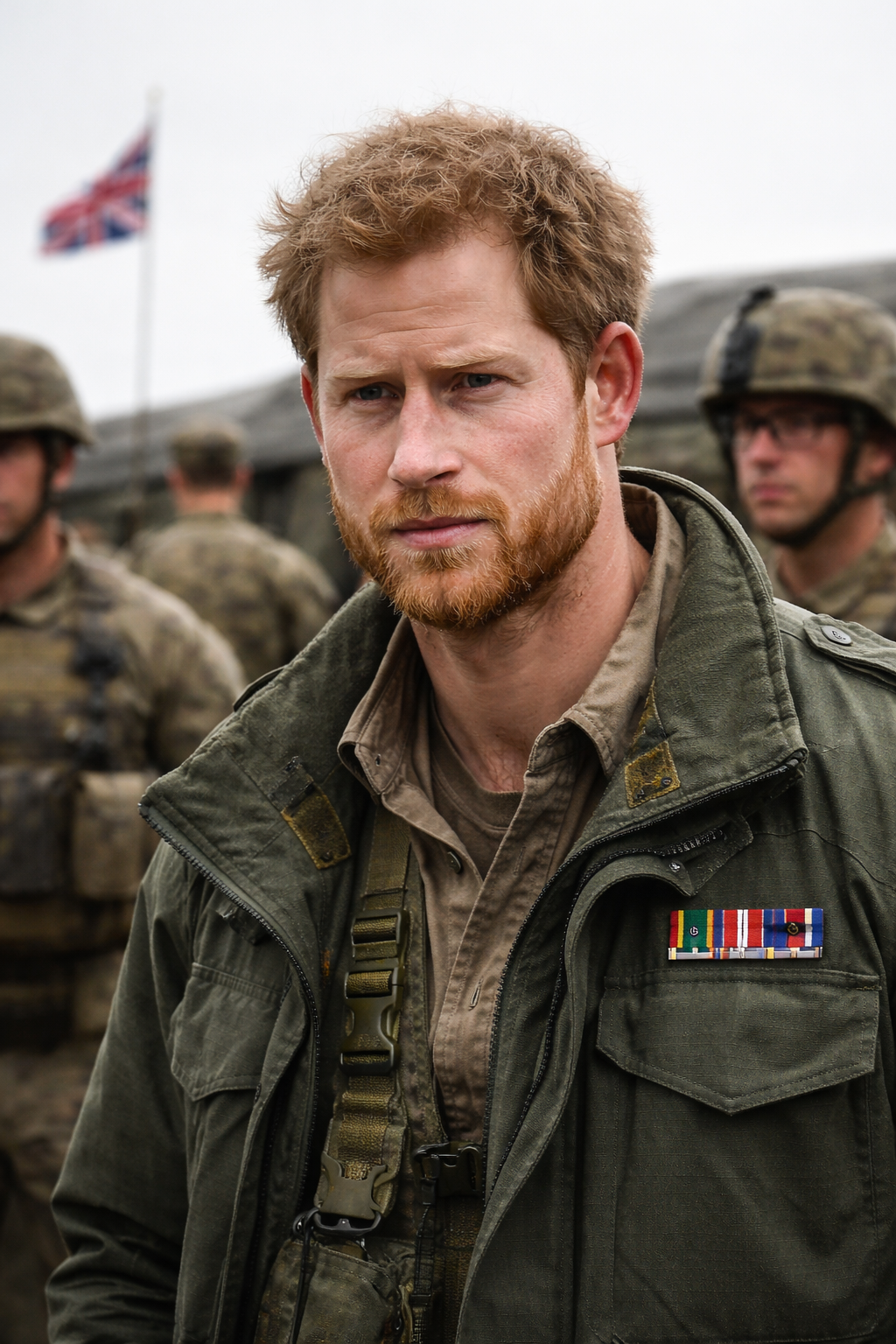
Among the most high-profile critics was Prince Harry, who served two tours of duty in Afghanistan as an Apache helicopter pilot with the British Army. Speaking through sources familiar with his views and referenced in British media, Harry was reported to be “deeply troubled” by comments that appeared to dismiss the sacrifices of allied troops.
Although Harry did not issue a formal public statement, his criticism carried particular weight due to his military background and long-standing advocacy for veterans’ welfare. He has frequently spoken about the psychological toll of combat and the responsibility political leaders bear when deploying troops overseas.
Veterans’ advocates noted that Harry’s reaction reflected broader frustration among former service members who feel that political rhetoric — especially from senior leaders — often overlooks the realities faced by those on the ground.
Political Reaction Across the UK
British politicians from across the political spectrum condemned Trump’s remarks. Senior figures in both the Conservative and Labour parties accused the former U.S. president of showing “reckless disregard” for the sacrifices made by British troops.
Several members of Parliament emphasized that while criticism of the war’s strategic outcomes is legitimate, language that appears to trivialize the service of allied soldiers crosses a line. One senior MP described Trump’s comments as “an insult to every British family who lost a loved one in Afghanistan.”
Former military commanders also weighed in, with retired officers reminding audiences that UK forces operated under parliamentary authorization and fought to fulfill commitments to international security and Afghan civilians, not simply at the behest of U.S. presidents.
Veterans’ Groups Voice Anger
UK veterans’ organizations were among the most vocal critics. Groups representing former soldiers issued statements condemning what they described as “careless and inflammatory” rhetoric. They warned that such remarks risk reopening emotional wounds for veterans still coping with trauma, injuries, and bereavement.
Some veterans noted that debates over whether the war was justified should not erase the courage or professionalism of those who served. Mental health charities supporting former service members also expressed concern that renewed public controversy could exacerbate post-traumatic stress among veterans.
Several organizations called on UK political leaders to publicly reaffirm their support for the armed forces and to challenge rhetoric that undermines allied military cooperation.
Public and Media Reaction
British media outlets devoted extensive coverage to the remarks, with newspaper editorials and broadcast panels debating both Trump’s comments and the broader legacy of the Afghanistan war. Social media platforms saw widespread criticism, with many users sharing personal stories of relatives who served or were killed during the conflict.
Opinion polls conducted in recent years suggest that British public opinion on Afghanistan remains conflicted. While a majority now view the war as unsuccessful, there is still strong support for honoring the service of troops who were deployed. Trump’s remarks were widely seen as conflating strategic criticism with personal disparagement.
Several commentators contrasted Trump’s comments with the more cautious language typically used by UK leaders when discussing military failures, noting that British political culture places a strong emphasis on separating policy decisions from the conduct of soldiers.
Diplomatic Sensitivities
The controversy also touched on diplomatic sensitivities between the United States and the United Kingdom. Although Trump is no longer in office, his continued prominence in U.S. politics means that his statements are closely watched by allies.
Former UK diplomats warned that such rhetoric could strain transatlantic relations, particularly at a time when NATO unity remains critical due to ongoing global security challenges. They stressed that while disagreements over past wars are inevitable, public messaging should reinforce, rather than undermine, allied solidarity.
Officials in London stopped short of issuing a formal diplomatic protest, but privately acknowledged frustration that Trump’s remarks had reignited a painful chapter in UK military history.
The Afghanistan War’s Lingering Legacy in Britain
The UK’s involvement in Afghanistan officially ended in 2021, following the withdrawal of Western forces and the rapid collapse of the Afghan government. The chaotic final evacuation, which left many Afghan allies behind, remains a source of controversy and regret in Britain.
Multiple official inquiries have examined aspects of the UK’s role in the conflict, including intelligence failures and long-term planning deficiencies. However, successive governments have emphasized that responsibility lies with political leadership rather than rank-and-file soldiers.
For many families of fallen troops, Trump’s remarks reopened unresolved questions about whether the sacrifices made were ultimately justified — and whether allies fully appreciate those sacrifices.
Trump’s Broader Foreign Policy Messaging
Trump has consistently framed his foreign policy views around skepticism of prolonged military engagements and alliances he views as costly. His criticism of Afghanistan aligns with his “America First” approach, which prioritizes reducing overseas commitments.
Supporters argue that his blunt language reflects widespread public disillusionment with long wars. Critics counter that his remarks often lack nuance and risk alienating allies who bore significant burdens alongside the United States.
In Britain, that tension was evident in reactions to his Afghanistan comments, which many saw as emblematic of a transactional view of alliances.
Looking Ahead
As Trump continues to campaign and comment on global affairs, British officials and observers expect similar controversies to arise. Analysts note that while Trump’s statements may resonate with some audiences domestically, they often provoke unease abroad — particularly in countries that fought alongside the U.S. in conflicts like Afghanistan.
For veterans and families in the UK, the episode has reinforced calls for greater sensitivity from political leaders when discussing past wars. The reaction from figures such as Prince Harry underscores how deeply personal the Afghanistan conflict remains for those who served.
While debate over the war’s legacy is unlikely to fade, the response in Britain highlights a clear distinction many seek to uphold: questioning political decisions without diminishing the sacrifices of those sent to fight.